

Transforming My Home into a Stunning Interior Design Portfolio

Turning a personal space into a showcase of design skills is a challenge many interior designers face early in their careers. When I started, I realized that my own home could become the perfect canvas to demonstrate my style, creativity, and attention to detail. This blog post shares how I transformed my living space into a portfolio that not only reflects my design philosophy but also impresses clients and visitors alike.
Choosing a Cohesive Design Theme
The first step was deciding on a clear, cohesive theme that would run throughout the home. Instead of mixing too many styles, I focused on a modern Scandinavian look with warm, natural elements. This choice helped create a calm and inviting atmosphere while allowing me to highlight different textures and materials.
To achieve this, I:
Selected a neutral color palette with whites, soft grays, and muted blues.
Incorporated natural wood finishes in furniture and flooring.
Added greenery with potted plants to bring life and color.
This consistent theme made the entire space feel connected and intentional, which is crucial when presenting a portfolio.
Highlighting Key Rooms with Unique Features
Each room needed a focal point that would catch the eye and demonstrate my design skills. I approached this by adding unique features that balanced aesthetics and functionality.
Living Room
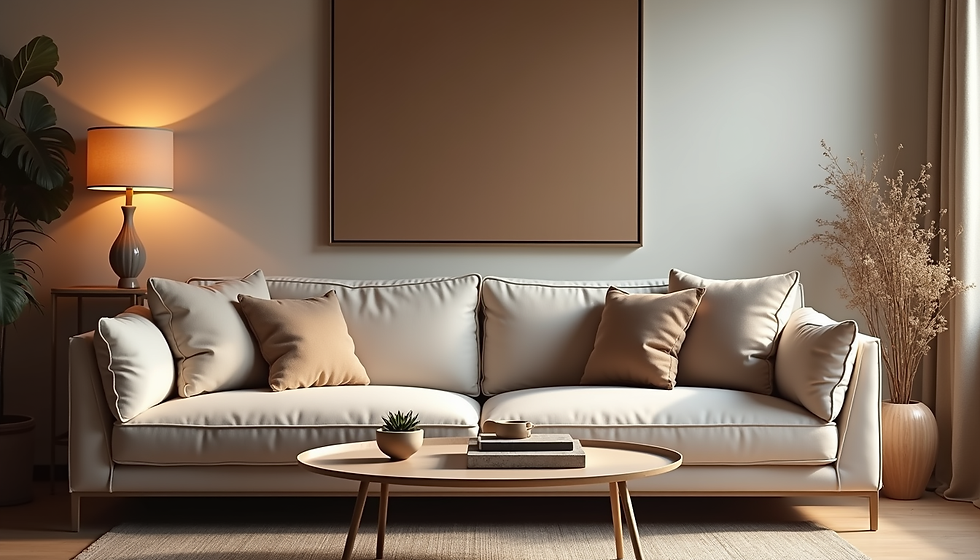
For the living room, I installed a custom-built shelving unit that combined open shelves and closed cabinets. This piece served both as storage and a display area for art and books, showing my ability to blend practicality with style.
I also chose a statement rug with geometric patterns to anchor the seating area and add visual interest without overwhelming the space.
Kitchen
The kitchen makeover focused on maximizing space and light. I replaced bulky upper cabinets with open shelving to create an airy feel and showcase beautiful dishware. The backsplash features white subway tiles with dark grout, adding texture and contrast.
Bedroom
In the bedroom, I emphasized comfort and simplicity. A platform bed with built-in nightstands saved space and created a sleek look. Soft linen bedding and layered lighting made the room feel cozy and inviting.
Using Lighting to Enhance Design Elements
Lighting can make or break a room’s atmosphere. I invested time in layering different types of lighting to highlight architectural details and create mood.
Ambient lighting through recessed ceiling lights provided overall illumination.
Task lighting with adjustable desk lamps and reading lights added function.
Accent lighting using LED strips under shelves and picture lights drew attention to art and decor.
This approach allowed me to control the ambiance in each room and showcase how lighting complements design.

Incorporating Personal Touches and Art
To make the portfolio feel authentic, I included personal touches that reflect my taste and creativity. Handpicked art pieces, travel souvenirs, and custom-made cushions added character without cluttering the space.
I also experimented with wall treatments, such as a textured wallpaper in the dining area, to add depth and interest. These details show potential clients how I can personalize spaces while maintaining harmony.
Documenting the Space Professionally
A portfolio is only as good as its presentation. I hired a professional photographer to capture the rooms in natural light, focusing on angles that highlight the design features. Clear, high-quality images are essential for online portfolios and printed materials.
I also created a digital walkthrough video, giving viewers a sense of flow and scale. This immersive experience helps clients imagine how the design works in real life.
Lessons Learned and Tips for Designers
Transforming my home into a portfolio taught me several valuable lessons:
Start with a clear vision to ensure all elements work together.
Invest in quality materials and finishes; they elevate the overall look.
Balance style with function to create livable spaces.
Use lighting strategically to enhance mood and highlight features.
Keep personal touches subtle to avoid overwhelming the design.
Document your work professionally to make a strong impression.
For designers considering this approach, I recommend focusing on spaces that best showcase your strengths and style. Don’t feel pressured to redesign every room; sometimes, a few well-executed areas are enough to impress.
Final Thoughts
Using my home as an interior design portfolio allowed me to experiment freely and demonstrate my skills in a real environment. It became a living example of what I can offer clients, making it easier to communicate my vision and build trust.
If you are an interior designer looking to build your portfolio, consider starting with your own space. It’s a practical, cost-effective way to showcase your talent and create a personal brand that stands out.


Comments