

Understanding Eclectic Design: Its True Essence and Common Misconceptions

Eclectic design often sparks curiosity and confusion. Many people think it means simply mixing random styles or cluttering a space with mismatched items. Yet, the reality is more refined and intentional. This post explores what eclectic design truly means, what it is not, and how to create a balanced, inviting space using this approach.

What Eclectic Design Really Means
Eclectic design is about curating a unique space that reflects personality and creativity by combining elements from different styles, periods, and cultures. It is not a free-for-all or a chaotic mix. Instead, it requires thoughtful selection and balance.
Key features of true eclectic design include:
Harmony through contrast: Combining diverse pieces that complement each other rather than clash.
Layered textures and colors: Using a variety of materials and hues to add depth and interest.
Personal storytelling: Incorporating items that have meaning or tell a story, making the space feel authentic.
Balance and cohesion: Ensuring the overall look feels intentional and unified, not random.
For example, pairing a mid-century modern chair with a Moroccan rug and a contemporary art piece can work beautifully if the colors or shapes connect in some way. The goal is to create a space that feels collected over time, not designed in one sitting.
What Eclectic Design Is Not
Many misunderstandings surround eclectic design. Here are some common myths:
It is not cluttered or messy. Eclectic design values order and balance. A cluttered room with mismatched items thrown together is not eclectic; it’s disorganized.
It is not just about mixing old and new. While combining vintage and modern pieces is common, eclectic design can include any styles or eras as long as they work together.
It is not a style without rules. Eclectic design follows principles of color harmony, scale, and proportion to create a cohesive look.
It is not a trend to copy blindly. Eclectic design is personal and unique. Copying a popular eclectic look without adding your own touch misses the point.
Understanding these distinctions helps avoid common pitfalls and creates a space that truly embodies eclectic design.
How to Achieve Eclectic Design Successfully
Creating an eclectic space takes planning and a clear vision. Here are practical steps to guide the process:
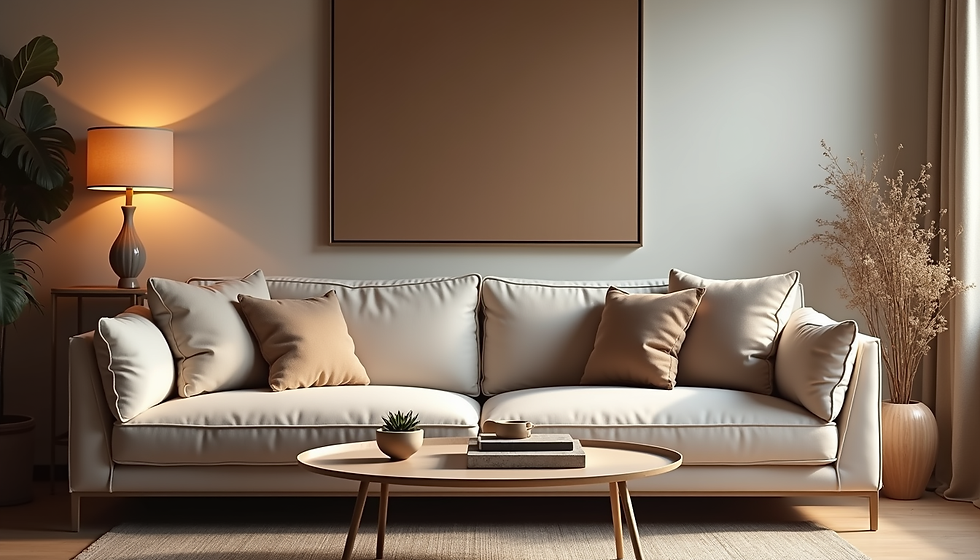
Start with a Neutral Base
Choose neutral walls, floors, or large furniture pieces to anchor the room. This base allows you to add diverse elements without overwhelming the space.
Use a Consistent Color Palette
Select 2-3 main colors to repeat throughout the room. This creates visual ties between different pieces and styles.
Mix Textures and Materials
Combine wood, metal, fabric, glass, and natural fibers to add richness. For example, a velvet sofa paired with a wooden coffee table and a metal lamp creates tactile interest.
Balance Old and New
Include vintage or antique items alongside contemporary pieces. This contrast adds character and depth.
Incorporate Personal Items
Display art, souvenirs, or handmade objects that reflect your story. These make the space feel lived-in and meaningful.
Pay Attention to Scale and Proportion
Ensure furniture and decor pieces fit the room size and relate well to each other. Avoid oversized or tiny items that disrupt harmony.
Edit and Edit Again
Resist the urge to keep adding. Step back regularly to see if the space feels balanced or cluttered. Remove anything that doesn’t contribute.
Examples of Eclectic Design in Practice
A dining room with a rustic wooden table, modern chairs in different colors, a vintage chandelier, and bold patterned curtains.
A bedroom featuring a mid-century bed frame, a bohemian rug, abstract wall art, and a mix of textured pillows.
A living room combining industrial metal shelving, a classic leather armchair, colorful ceramics, and layered textiles.
These examples show how eclectic design can be tailored to different tastes while maintaining a cohesive look.

Final Thoughts on Eclectic Design
Eclectic design is a creative way to express individuality through interior spaces. It requires thoughtful curation, balance, and a clear sense of style. Avoid confusing it with clutter or randomness. Instead, focus on harmony, color, texture, and personal meaning.
If you want to try eclectic design, start small by mixing a few pieces and building from there. Pay attention to how elements relate and support each other. Over time, your space will tell a unique story that feels both inviting and stylish.
CTA
If you’re ready to bring eclectic design into your own home but don’t know where to start, Eclectic Home Designs offers personalized styling and consultations to help you create a space that feels intentional, layered, and uniquely yours.
This post is part of Eclectic Home Designs’ ongoing design education series focused on creating livable, intentional homes.


Comments