

Creating a Functional Home Design for Everyday Living

Designing a home that truly supports real life means focusing on how people actually live, move, and interact within their spaces. A home should do more than look good; it should make daily routines easier, support comfort, and adapt to changing needs. This post explores practical ways to create a functional home design that fits everyday living, offering ideas you can apply whether you are building new or updating your current space.

Understanding What Makes a Home Functional
A functional home design starts with understanding the activities that fill your day. Cooking, working, relaxing, and socializing all require different spaces and setups. The goal is to create areas that support these activities without clutter or confusion.
Key elements of a functional home include:
Clear traffic flow: Paths between rooms and furniture should be easy to navigate.
Adequate storage: Enough space to keep belongings organized and out of sight.
Flexible spaces: Rooms or areas that can serve multiple purposes.
Comfort and accessibility: Furniture and layouts that accommodate all family members comfortably.
For example, a kitchen island with built-in storage and seating can serve as a cooking prep area, dining spot, and homework station. This kind of multi-use design saves space and keeps the home feeling open.
Designing for Daily Routines
Every family has unique routines, but some common needs apply to most homes. Designing with these in mind helps reduce stress and saves time.
Kitchen and Dining
The kitchen is often the heart of the home. A functional kitchen design includes:
Easy access to frequently used items like pots, pans, and utensils.
Clear zones for cooking, cleaning, and food storage.
Durable surfaces that withstand daily wear.
A dining area close enough to the kitchen for convenience but separate enough for comfort.
Consider adding pull-out shelves or lazy Susans in cabinets to make items easier to reach. Open shelving can also keep everyday dishes within sight and encourage tidiness.
Living and Relaxation Areas
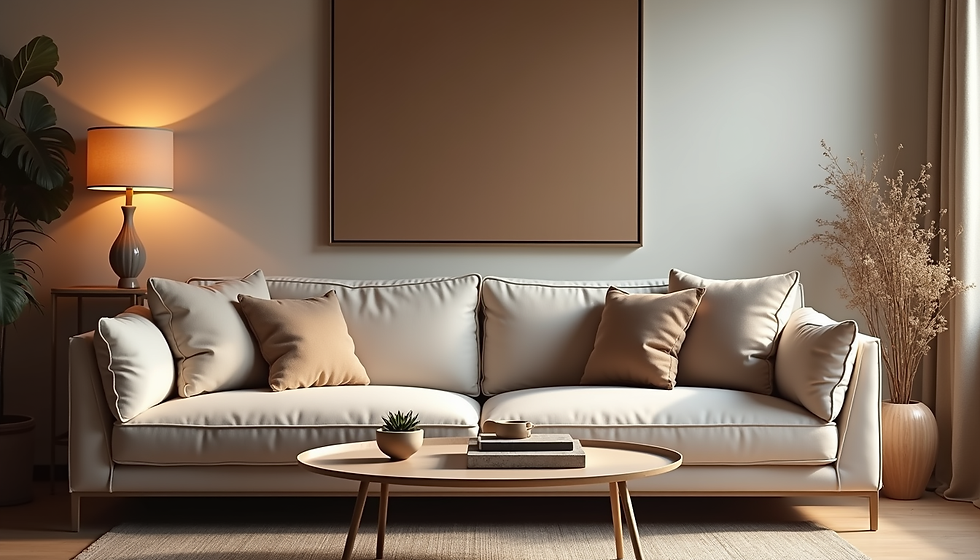
Living rooms should balance comfort with practicality. Choose furniture that fits the space without overcrowding. Sofas with washable covers or stain-resistant fabrics make maintenance easier. Incorporate lighting options for different moods and tasks, such as reading or watching TV.
Work and Study Spaces
With more people working or studying from home, dedicated spaces for focus are essential. Even a small desk in a quiet corner can improve productivity. Use organizers and cable management to keep these areas tidy.

Storage Solutions That Work
Clutter can quickly make a home feel chaotic. Smart storage solutions keep belongings organized and accessible.
Use vertical space with tall cabinets or shelves.
Incorporate storage into furniture, like ottomans with hidden compartments.
Designate specific spots for items like keys, mail, and shoes near entryways.
Use clear containers or labels to make finding things easier.
For example, a mudroom with hooks, cubbies, and benches can keep coats, bags, and shoes organized, preventing mess from spreading into the rest of the house.
Adapting Spaces for Changing Needs
A home should grow with its occupants. Flexible design allows rooms to change function as needed.
Use modular furniture that can be rearranged.
Choose neutral colors and simple finishes that work with different styles.
Plan for future additions like a nursery, guest room, or hobby space.
Create open floor plans that can be divided with screens or curtains.
This approach means you won’t need a full remodel when life changes. Instead, small adjustments keep your home functional and comfortable.

Final Thoughts on Functional Home Design
Creating a home that supports real life means focusing on how you live every day. Prioritize clear layouts, practical storage, and flexible spaces to make your home comfortable and efficient. Small design choices, like multi-use furniture and organized zones, add up to significant improvements in daily living.
Eclectic Tip of the Week
Choose one room in your home and define two Purpose Zones — one for work or focus, and one for relaxation. Even in small spaces, zoning brings instant clarity and improves daily flow.
Call to Action
Ready to try zoning a room, but not sure where to start? Send me a photo or question — I’d love to help you make your space work for real life.


Comments